

How to Choose the Perfect North Face Jacket

Choosing a North Face jacket can seem a bit overwhelming at first, but it really doesn't need to be. We're here to cut through the noise and help you pinpoint the perfect jacket, whether you're navigating a brisk city commute or heading for the mountains. Think of this as your personal guide to making a smart investment in your comfort and protection.
Finding the Right North Face Jacket for You

Kicking off the search for the perfect North Face jacket is all about matching its capabilities to your actual life. Will you be dealing with damp, windy days or that crisp, dry kind of cold? Your answer is the key that unlocks which features you should focus on, like advanced waterproofing versus serious insulation.
Instead of getting bogged down in technical jargon, let's think of it as building a toolkit for your wardrobe. A light, waterproof shell is your essential tool for rainy days, while a heavily insulated parka is your non-negotiable for the depths of winter. Getting this distinction right is the first major step toward choosing with confidence.
Key Considerations Before You Buy
Before you even start browsing, take a moment to think about what you'll really be using this jacket for. This one simple step will drastically narrow down the options and make sure you get the performance you need, without paying for bells and whistles you'll never use.
- Daily Commuting: For city life, you want something stylish but practical. A jacket with ThermoBall insulation offers fantastic warmth without making you look like you're about to summit Everest.
- Outdoor Adventures: If you're into hiking or climbing, your priority should be a jacket with FUTURELIGHT technology. It delivers top-tier breathability and serious protection from the elements.
- Extreme Cold: When the weather gets truly brutal, nothing beats a classic down-filled parka built for maximum warmth.
A great jacket should feel like a reliable partner, ready for whatever the day throws at you. The goal is to find a piece that not only shields you from the weather but also moves with you, fitting seamlessly into your life.
The North Face has a well-established presence in Luxembourg, giving you direct access to their best-selling lines, from insulated jackets to waterproof shells. This means local shoppers can find products and support suited for our climate. You can read more about top brands in our guide to men's clothing stores.
Here at Pantera Stores, we've already done some of the work for you by bringing together a curated selection designed to help you build a complete and versatile wardrobe.
2. Down vs. Synthetic: What's Keeping You Warm?
The heart and soul of any North Face jacket is what’s on the inside – the insulation. This is what does the heavy lifting to keep you warm, and you’ve basically got two choices: classic, natural down or one of The North Face's clever synthetic creations. Each one is brilliant, but they shine in very different situations.
What is Down Insulation?
Think of down as nature's perfect insulator. It’s made up of the soft, fluffy clusters found under the feathers of geese and ducks. These aren't feathers themselves, but incredibly fine filaments that branch out, creating a three-dimensional structure.
This structure is a master at trapping air. Millions of tiny air pockets are formed within the down, and it's this trapped air, warmed by your own body heat, that keeps the cold out. This is why down has such a phenomenal warmth-to-weight ratio; you get a massive amount of warmth for very little bulk.
You'll often see a number like 550 or 800 associated with down. This is its fill power.
Fill power simply measures the "fluffiness" or loft of the down. A higher number means the down clusters are larger and can trap more air, providing more insulation for the same weight. An 800-fill jacket will be warmer and more compressible than a 550-fill jacket of the same weight.
Down is the absolute king in cold, dry weather. If you’re heading into the mountains on a crisp, clear day or just need maximum warmth for a frosty morning commute, you can't beat it. It's also incredibly packable, squishing down into a tiny sack that can live in your backpack until you need it. For pure, lightweight warmth, a jacket with The North Face's ProDown™ is the gold standard.
And What About Synthetic Insulation?
So what happens when the weather turns damp? That's where synthetic insulation comes in.
The North Face has put a ton of research into materials like ThermoBall™ Eco, which is designed to mimic the heat-trapping clusters of down. It’s a man-made insulator composed of fine polyester fibres spun into small, spherical balls.
The killer feature of synthetic insulation is its performance in the wet. Natural down collapses and loses all its insulating power when it gets soaked. Synthetic fibres, on the other hand, are hydrophobic – they resist water. This means they keep on trapping heat and keeping you warm, even if you get caught in a downpour.
This makes a synthetic jacket the go-to choice for unpredictable, humid, or rainy conditions. It's your reliable workhorse for UK winters, damp hikes, and any situation where staying dry isn't guaranteed.
Down vs Synthetic Insulation at a Glance
Making the right choice really comes down to how you'll use your jacket. To make it easier, here’s a straightforward comparison.
| Feature | Down Insulation | Synthetic Insulation (e.g., ThermoBall™) |
|---|---|---|
| Warmth-to-Weight | Excellent. Unbeatable warmth for its low weight. | Very good, but slightly heavier than down for the same warmth. |
| Wet Weather Performance | Poor. Loses insulating ability when wet and is slow to dry. | Excellent. Continues to insulate even when damp and dries quickly. |
| Compressibility | Excellent. Packs down very small, perfect for travel. | Good. Compresses well, but not as tightly as high-quality down. |
| Durability | Very durable if cared for properly; can last for decades. | Very durable and easy to care for, stands up to rough use. |
| Cost | Generally more expensive, especially for high fill powers. | More budget-friendly and offers great value. |
| Best For | Cold, dry conditions. Lightweight backpacking, mountaineering. | Damp, unpredictable weather. Everyday use, wet-weather hiking. |
So, there you have it. The choice isn’t about which one is "better" overall, but which one is better for you. Think of it this way: down is your specialist for high-and-dry performance, while synthetic is your all-weather, do-it-all champion.
This demand for reliable outerwear is huge. The global market for insulated jackets is estimated to be worth between USD 156 million and USD 1.26 billion for 2024-2025, which shows just how much we all rely on this gear. If you're curious, you can read more about the down jacket market growth on cognitivemarketresearch.com.
Ultimately, your decision should be based on where you live, what you do, and the conditions you’re most likely to face.
Understanding Waterproof and Breathable Fabrics
Staying warm is only half the battle. If you want to stay genuinely comfortable out there, you need to stay dry. This is where the fabric technology in a North Face jacket really shines and understanding how it works is the key to picking the right jacket for your adventures.
Think of it like a high-tech screen door on your house. It's built to keep the rain from blowing in, but it still lets the steam from a boiling pot on the stove escape. That’s the basic idea behind the waterproof and breathable fabrics in these jackets, which all rely on a clever microporous membrane at their core.
This membrane, bonded to the outer fabric, is riddled with billions of microscopic pores. Each one is about 20,000 times smaller than a single water droplet, which means rain, sleet, and snow just can't get through. Simple as that. But here's the clever part: those same pores are around 700 times larger than a molecule of water vapour. That's your sweat, and it can pass right out, keeping you from feeling clammy.
The Difference Between Waterproof and Water-Resistant
It’s easy to get these two mixed up, but believe me, there’s a world of difference between "water-resistant" and "waterproof." A water-resistant jacket will shrug off a light drizzle for a bit, but in a proper downpour or under any kind of pressure, it will eventually soak through.
A truly waterproof jacket, like one made with The North Face's DryVent™ or FUTURELIGHT™ fabrics, creates a complete, impenetrable barrier against water. This isn't just down to the fabric itself; it's about how the entire garment is put together.
- Sealed Seams: Every single stitch in a jacket creates a tiny hole where water could sneak in. To be properly waterproof, these seams are sealed on the inside with special tape, effectively locking water out.
- Durable Water Repellent (DWR): This is a coating applied to the outside of the jacket. You'll see it working when water beads up and rolls right off the surface, which stops the outer fabric from getting saturated and feeling heavy and cold.
This quick visual guide can help you figure out what level of protection makes the most sense for the conditions you usually face.
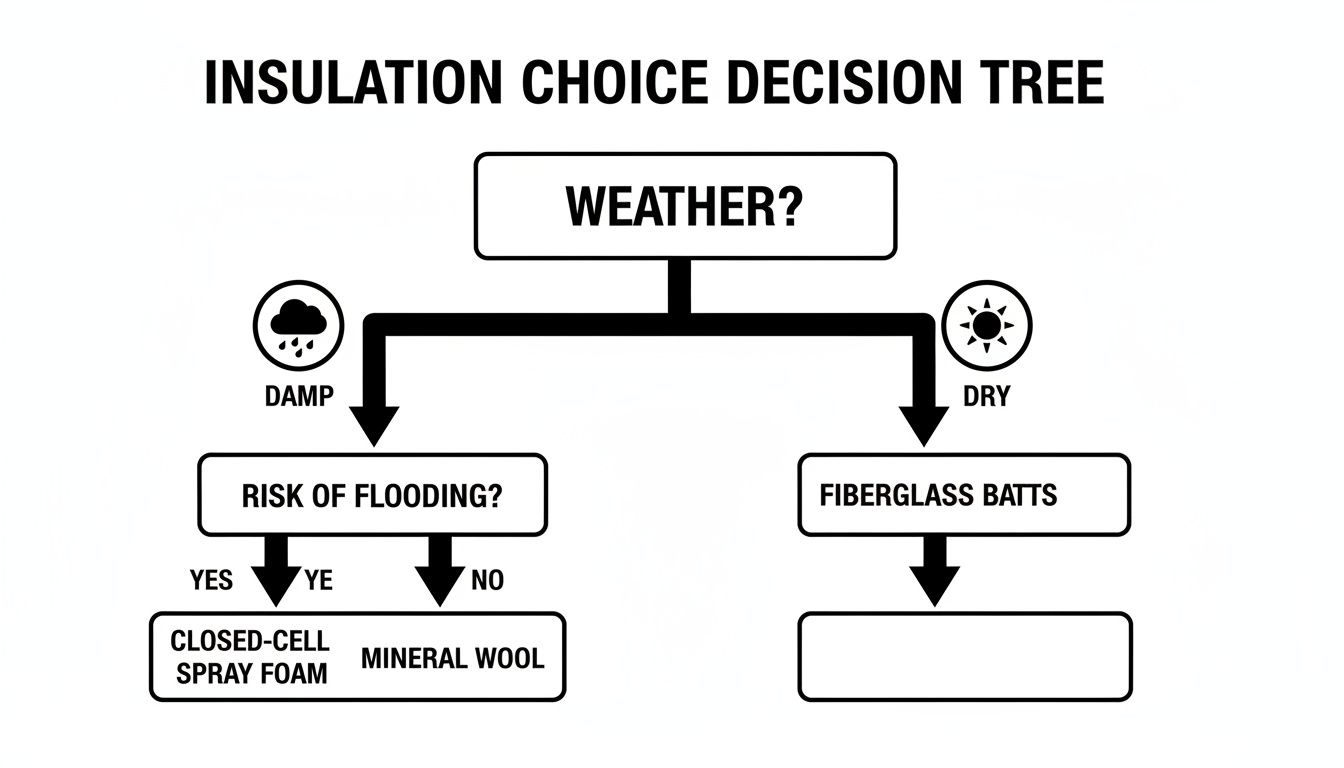
As you can see, if you're expecting anything more than a perfectly dry day, a fully waterproof shell is your best bet.
The Next Level of Breathability: FUTURELIGHT™
While DryVent™ is a brilliant all-rounder for waterproof protection, FUTURELIGHT™ kicks the breathability up several notches. The North Face created this material using a technique called nanospinning, which produces an unbelievably fine, web-like membrane.
This nanospun membrane is so porous that it actually lets air pass through for incredible ventilation, all while remaining completely waterproof. This makes it the go-to choice for high-energy activities where you know you’re going to be working up a serious sweat.
It's like the difference between a standard sealed window and one with a modern, built-in trickle vent. Both keep the storm out, but one gives you far better air circulation, preventing that stuffy, humid feeling. If you’re curious about the science behind these materials, you can find more in our post covering frequently asked questions about eco-friendly fabrics.
Ultimately, your choice of fabric comes down to finding the right balance between the protection you need from the weather and how hard you plan on pushing yourself.
How to Find Your Perfect Jacket Fit
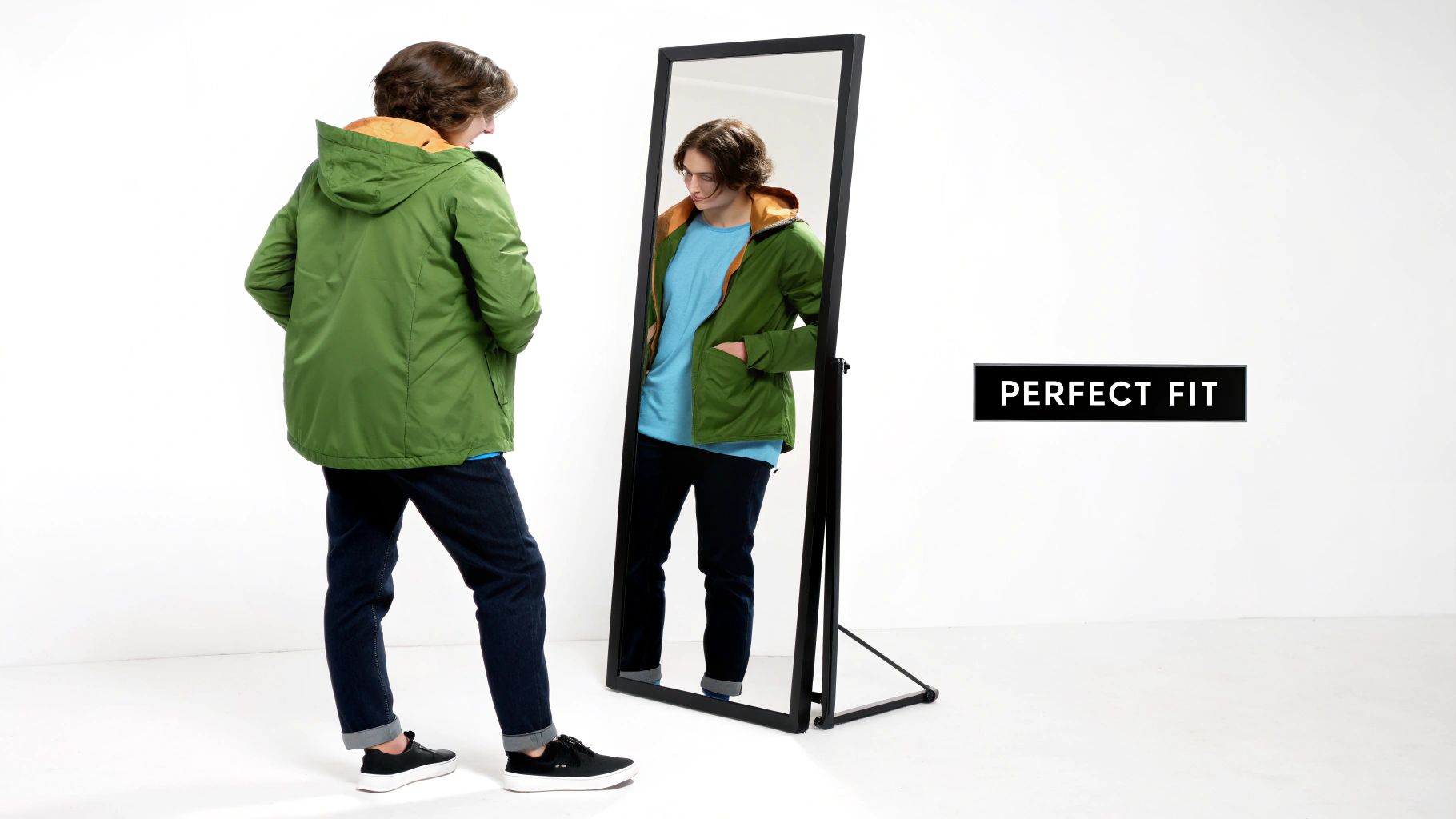
You can have the most advanced insulation and waterproof fabric in the world, but it won’t mean a thing if your North Face jacket fits poorly. A jacket that’s too tight constricts you and squashes the insulation, making it useless. Go too loose, and you’re left with baggy cold spots and unwelcome drafts.
Getting the fit right is the final, essential piece of the puzzle. It’s what ensures the jacket actually does its job when you need it most.
The North Face offers a few different silhouettes, and each is cut for a specific reason. This isn’t just a simple case of choosing Small, Medium, or Large; it’s about picking a shape that truly matches what you’ll be doing.
Decoding The North Face Silhouettes
Each fit is engineered with a particular activity in mind. Understanding the difference is the secret to avoiding a jacket that feels like a straitjacket or, just as bad, a giant sack.
- Active Fit: Think of this as the most athletic cut. It’s designed to sit close to the body, eliminating any excess fabric that could get in the way during high-energy activities like trail running or climbing.
- Standard Fit: This is your classic, go-to option. It gives you enough room to move freely and wear a light layer underneath without ever feeling bulky. It’s the perfect all-rounder for daily wear and casual hikes.
The Art of Layering
One of the most common mistakes I see is people trying on a jacket with just a t-shirt underneath. You have to think about how you’ll actually wear it out in the cold. A good rule of thumb is to try it on over the thickest mid-layer you intend to wear, like a cosy fleece or a hoodie.
Your ideal jacket should let you move your arms freely—up, down, and around—without feeling any tightness across your shoulders or chest. When you lift your arms straight up, the hem shouldn't ride up and expose your back or stomach to the cold.
Two areas deserve special attention: the sleeve length and the hem. The sleeves should be long enough to cover your wrists even when you stretch your arms out in front of you. The hem at the back needs to provide enough coverage to keep cold air from sneaking in when you bend over.
A proper fit is what unlocks all the performance The North Face built into its gear.
Extending the Life of Your Jacket
A North Face jacket is more than just a piece of clothing; it's a real investment in your comfort and protection, built to handle years of adventure. But to keep it performing at its best—especially its insulation and waterproofing—it needs a bit of TLC. A few simple care steps can make all the difference.
Think of it like tuning up your car. Over time, everyday grime, body oils, and sweat can clog the microscopic pores in technical fabrics and compress the delicate down clusters. This hurts both breathability and warmth. A proper wash is like a reset button, bringing the materials back to life.
How to Wash Your North Face Jacket
Washing a high-performance jacket isn’t rocket science, but you can’t just toss it in with your regular laundry. The wrong soap or a blast of high heat can cause permanent damage. Before you do anything else, the golden rule is to always check the specific care label inside your jacket.
A Step-by-Step Washing Guide:
- Prep Work: First things first, zip up everything—the main zip, pockets, and any pit zips. Fasten all Velcro cuffs and flaps. This simple step prevents any snagging or tearing in the machine.
- Use a Technical Wash: Regular laundry detergents and fabric softeners are the enemy here. They contain additives that strip away the water-repellent coating and leave behind a residue that kills breathability. You'll want to use a specialised cleaner made for down or synthetic outerwear.
- Pick the Right Cycle: Use a front-loading washing machine if you can, as the agitator in many top-loaders can be too aggressive. Set it to a gentle, cold-water cycle. I’d also recommend running an extra rinse cycle just to be sure every last bit of soap is washed out.
So many people worry that washing their technical jacket will ruin it. The truth is, a careful and correct wash is one of the best things you can do. It restores the fluffiness of the insulation and breathes new life into the DWR (Durable Water Repellent) coating.
Drying Techniques to Restore Performance
Drying is where the real magic happens, especially if you have a down jacket. This is your chance to restore that amazing loft and reactivate the water-repellent finish. Get this part wrong, and you could end up with a clumpy, useless mess.
Start by gently squeezing out any excess water—but never wring it out! Then, pop it in the tumble dryer on a low-heat setting. This part is non-negotiable. High heat can easily melt the synthetic shell fabric or damage the seam taping inside.
Toss in two or three clean tennis balls or a few wool dryer balls. As they bounce around, they’ll break up the wet clumps of down, helping it dry evenly and regain that lofty, cloud-like feel that keeps you warm. Be patient, as this can take a while. You'll know it's done when the jacket feels light, airy, and completely free of clumps.
This commitment to long-term performance is part of what makes the brand so popular with shoppers in Luxembourg and beyond, tying into sustainability efforts that incorporate more recycled materials. You can learn more about The North Face’s product lines and support for LU shoppers.
Top Alternatives and Building Your Gear System
While a North Face jacket is a fantastic piece of kit, the real secret to all-weather comfort is to stop thinking about a single "do-it-all" jacket. Instead, think of it as the cornerstone of a larger, more adaptable system.
No one jacket can be perfect for every single condition, from a mild, drizzly morning to a biting-cold winter day. That's where smart layering comes in. By combining specialised pieces from different brands, you can build a personal setup that’s ready for anything the forecast throws at you.
Imagine pairing a lightweight, super-breathable fleece from a brand that excels at mid-layers with a fully waterproof North Face shell. Suddenly, you have a combination that offers warmth, wicks away moisture, and provides total storm protection. It's a far more flexible solution than a single, bulky insulated jacket could ever be. At PANTERA STORES, we’ve specifically curated options from various top-tier brands to help you handpick the best tools for the job.
Building Your Layering System
Creating your own gear system sounds technical, but it’s actually pretty simple. It just means choosing individual items that work together to manage moisture, trap heat, and shut out the elements.
Think of it as a three-part strategy:
- Base Layer: This is what you wear right against your skin. Its main job isn't warmth, but wicking sweat away from your body to keep you dry and comfortable.
- Mid-Layer: This is your insulation. It could be a classic fleece or a light puffer jacket, designed to trap your body heat and keep you warm.
- Outer Layer (Shell): This is where your North Face jacket often shines. It’s your fortress against the outside world, shielding you from wind and rain.
The true beauty of a layering system is its adaptability. Getting too warm on a steep hike? Just shed your mid-layer. The clouds roll in and it starts to pour? Throw your waterproof shell back on. It’s a simple, effective way to stay comfortable without being weighed down.
This modular thinking is a lot like the philosophy behind a minimalist wardrobe, where every piece is chosen for its versatility and how well it works with everything else. If you want to dive deeper into this idea, check out our step-by-step guide to building a capsule wardrobe.
When you start seeing your outerwear as a collection of complementary pieces, you move beyond just buying a jacket. You start building a reliable system that will keep you comfortable, no matter what.
Still Have Questions About North Face Jackets?
Even with all the details, you might have a couple of questions rattling around. Let's tackle some of the most common ones we hear from customers, so you can feel totally confident in your decision.
Think of this as your final check-in before picking the perfect North Face jacket.
Which North Face Jacket Is the Absolute Warmest?
When we're talking about serious, expedition-level warmth for the most extreme cold, you'll want to look at the brand’s Summit Series™. These jackets are engineered for mountaineering and often packed with high-fill-power down of 800 or more.
For everyday brutal winter weather, though, the McMurdo Parka is a legend for a reason. It’s a true beast, combining a fully waterproof shell with a huge amount of insulation. It's consistently one of the warmest jackets you can get your hands on without needing a climbing permit. The warmest jackets always come down to two things: the quality of the insulation (fill power) and how much of it is packed inside.
Can I Just Throw My North Face Jacket in the Washing Machine?
Yes, you absolutely can! Most North Face jackets are built to be machine washed, but the trick is to follow the instructions on the care label to the letter. Always use a front-loading washer (the central agitator in top-loaders can be too rough) and stick to a gentle, cold cycle.
Here's the crucial part: use a technical detergent designed for outdoor gear. Never, ever use fabric softener—it will clog the pores of the technical fabric and can ruin its performance for good. If you're washing a down jacket, tumble dry it on the lowest heat setting with a few clean tennis balls or dryer balls. This helps break up any clumps and brings back that fluffy, high loft you love.
There's a persistent myth that washing a technical jacket will ruin it. The truth is actually the opposite. A proper wash gets rid of the dirt and body oils that clog the fabric's membrane and weigh down insulation, which actually restores its performance and helps it last longer.
What’s the Real Difference Between a Nuptse and a McMurdo?
This is a fantastic question because it gets right to the heart of matching your jacket to your needs. They might both be warm, but they serve very different purposes.
- The Nuptse: This is that iconic, retro-puffer jacket you see everywhere. It’s stuffed with high-loft down, making it super warm for its weight. It's incredibly versatile—perfect as a stylish standalone jacket for cool, dry days or as a powerhouse mid-layer under a waterproof shell when things get serious.
- The McMurdo: This is a full-blown, heavy-duty winter parka. It's much longer for more coverage, has a completely waterproof and windproof outer shell, and is loaded with a ton more insulation. The McMurdo is your dedicated winter coat for battling harsh, cold, and wet conditions head-on.
Is a North Face Jacket Actually a Good Investment?
For most people, we’d give that a firm "yes." The upfront cost is definitely higher than many other brands, but that price tag reflects what's going on under the hood: premium materials, proven technologies like FUTURELIGHT™, and a level of construction that’s built to survive season after season of use.
You’re not just buying a fashion statement; you’re investing in a piece of high-performance equipment. When you factor in how long it will last, how well it performs, and the brand's warranty, a North Face jacket almost always proves its worth over the long haul.
Ready to build your perfect outerwear system? Explore our curated collections at PANTERA STORES and find the ideal pieces to keep you comfortable in any weather. Shop our full range of outerwear now.